Two men and a place
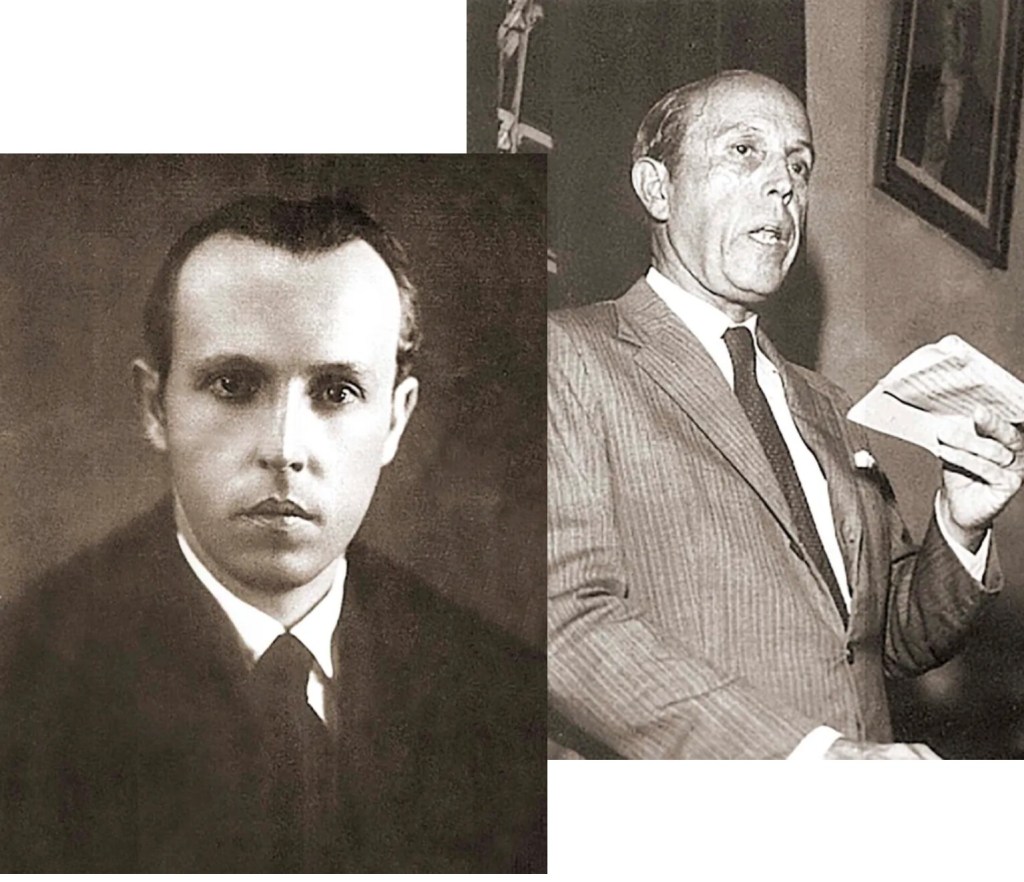
The fourth section of my book Ao norte daqui is dedicated to the memory of my great-uncle Abelardo Duarte (1900-1992), physician, historian, ethnologist, anthropologist, student of the Afro-Brazilian culture, researcher of the travels of Emperor Peter the Second of Brazil to the lower São Francisco river and the city of Penedo, and author of the book Dom Pedro II e Dona Teresa Cristina nas Alagoas (1975). Abelardo Duarte was the son of doctor José Antônio Duarte and Maria Clementina Coutinho de França (Nolinha). He married Maria Gomes Malta (Mariquinha) in Recife. Maria was a daughter of governor Euclydes Malta, which helped the creation of the Coleção Perseverança in Maceió.
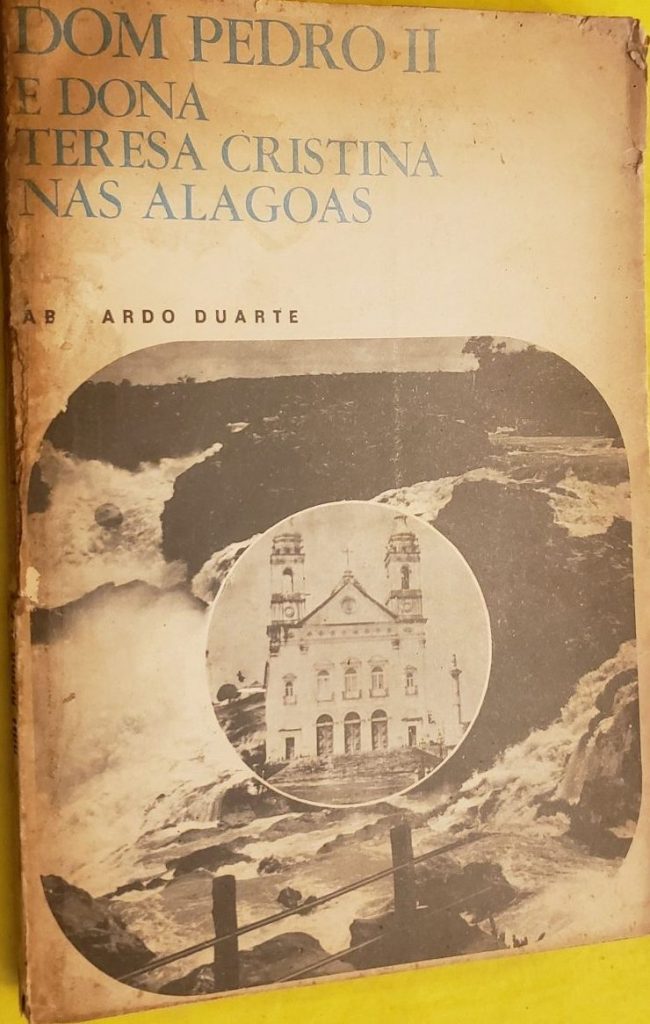
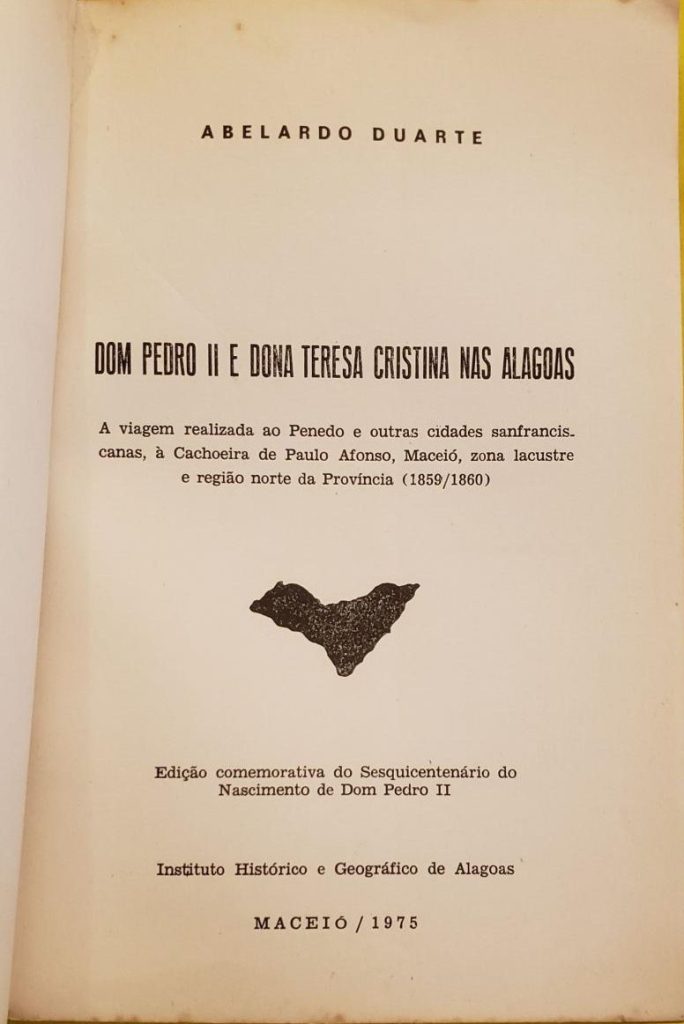
Front page of book Dom Pedro II e Dona Dona Teresa Cristina nas Alagoas (1975).
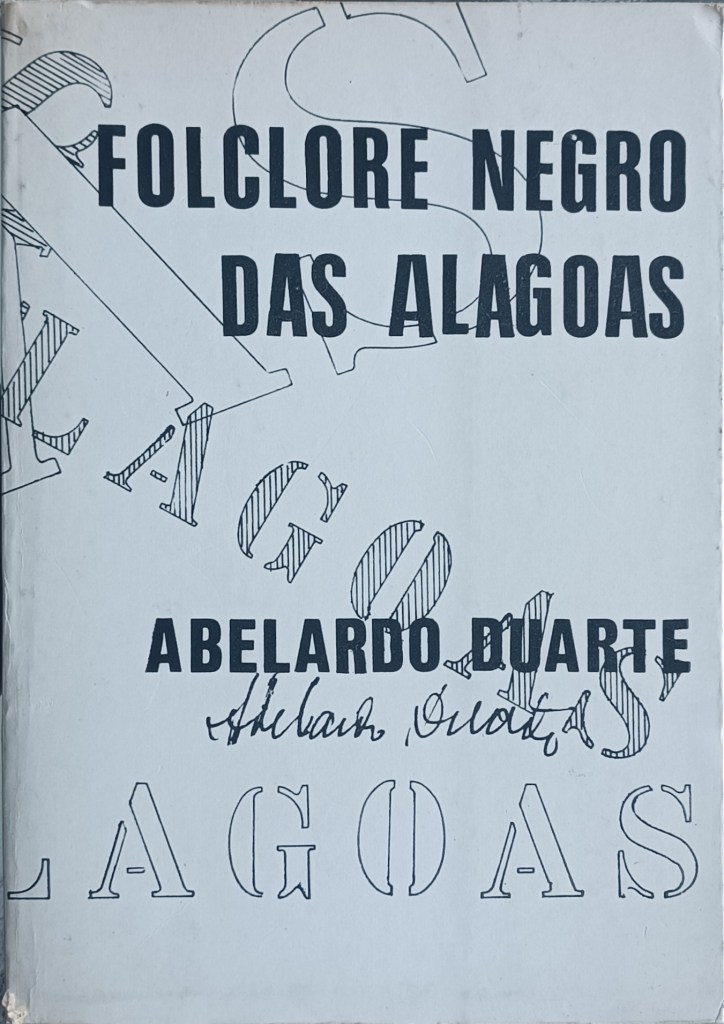
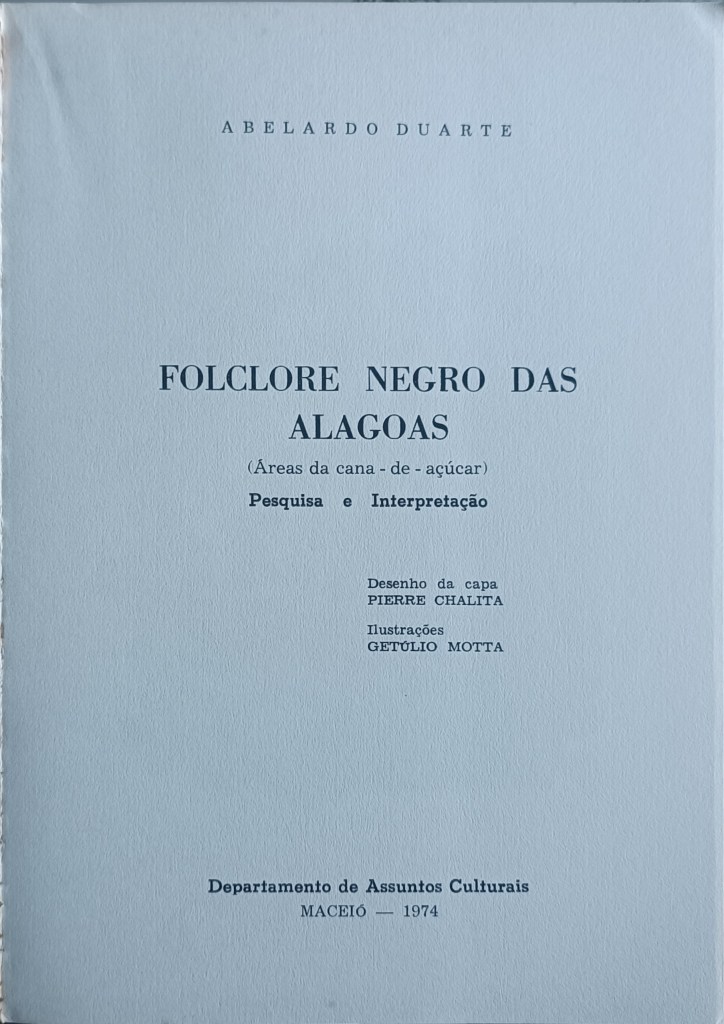
Front page of book Folclore Negro das Alagoas (1974).
His father (below), José Antônio Duarte, was a professor in the Liceu Alagoano and one of the most popular doctors of his time. His clientele was the largest in Maceió, where he became famous for treanting the poor for free. José Duarte served as Patron of Cadeira 12 of the Academia Alagoana de Letras.
Abelardo Duarte was my mother Yedda’s uncle. Yedda married Abelardo Albuquerque in December 23, 1944.
Abelardo Albuquerque in the 1950s.
The text below is transcribed from my Facebook page.
Dr. Abelardo Albuquerque
Centenário de nascimento
1915-2015
Neste 9 de outubro comemoramos, eu e minha irmã, Ivana Medeiros Albuquerque, assim como meus sobrinhos e sobrinhos-netos, o centenário do nascimento do nosso pai, avô e bisavô, Abelardo Albuquerque.
Ele me deu duas vidas. A segunda foi salvar minha vida quando eu tinha 15 anos. Tive um osteoma frontal, felizmente benigno, diagnosticado pelo doutor Eduardo Jorge. No período pré-internet ele conseguiu marcar consultas com o doutor Ermiro de Lima, por sinal pernambucano, que tinha criado a técnica de remoção desses osteomas, com a condição de que a cirurgia fosse feita no hospital-escola de São Francisco no Canal do Mangue, o que ocorreu.
Profissionalmente, a realização de que mais se orgulhava era talvez a de ter sido o co-fundador do Departamento de Ginecologia e Obstetrícia da Sociedade de Medicina de Alagoas. Apesar de ter sido um médico de muito destaque e com grande e leal clientela, não há hoje em dia em Maceió nenhuma rua, nenhum logradouro público, nenhum prédio, nenhuma clínica com o seu nome. Nunca foi do seu feitio nem do feitio dos seus herdeiros bajular os poderosos da terra para esses ou outros fins, nem o estamos fazendo agora.
Basta-nos o legado que nos deixou, bens impalpáveis de valor incalculável que são o exemplo de retidão e honestidade a toda prova. Generoso ao extremo, deu a seus filhos e netos a melhor educação que Maceió e Recife tinham a oferecer naquela época e respeitou a liberdade de escolha dos filhos, inclusive minha decisão de não viver no Brasil, inicialmente em rejeição à ditadura militar e depois em protesto contra a corrupção instalada no país, independentemente do regime em vigor ou do partido político detentor do poder.
Outra lição que nos deu a todos foi o horror à ostentação, a “aparecer”, e a qualquer tipo de auto-promoção. Apesar de ter os meios para circular na chamada alta sociedade, preferiu levar uma vida simples em companhia da devotada e querida esposa, nossa saudosa mãe Yedda, assim como dos outros membros da família, cultivando laços fortes e duradouros com parentes, vizinhos, e os numerosos compadres, comadres e afilhados. Foi também o mais dedicado dos genros, sendo adorado por meus avós maternos, que nos proporcionaram as melhores e mais profundas recordações dos anos vividos no casarão da rua do Sol.
Foi também uma vida de trabalho duro em ritmo acelerado, responsável, em útima análise, por um sério enfarte que forçou um regime de semi-aposentadoria ainda jovem, aos 52 anos de idade, seguido de muitos anos de angina pectoris e outros problemas de saúde que causaram o seu falecimento em 1994, aos 78 anos.
Abelardo Albuquerque with his wife Yedda and their children, Ivana and Severino.
My memories Rua Osvaldo Sarmento and beyond
The first foreigner I ever saw was Madame Girard. She was sitting by herself on her porch, her hair totally white, as is mine today. It was the kind of wicker (vime) furniture popular among colonialists in post WW2. I believe M. Girard was dead by then, but Mme had four sons with her. The oldest ones were Marcel, who worked for Sud Express / Night Express (later Air France) as did Antoine de Saint-Exupéry. Marcel married one of my father’s cousins, Zenobia; they were based first in Natal and Rio and later, Florianópolis. The other son, Alfred, married Heloísa (Helú), lived across the street from us on Osvaldo Sarmento, and were the parents of Lucienne Marie and Georges. They settled in São Miguel dos Campos, where they befriended the daughters of dr. Pedro Rocha, owner of Engenho Varrela. One of them married my uncle Cláudio Duarte Medeiros and had my father as their devoted doctor and close friend their entire lives.
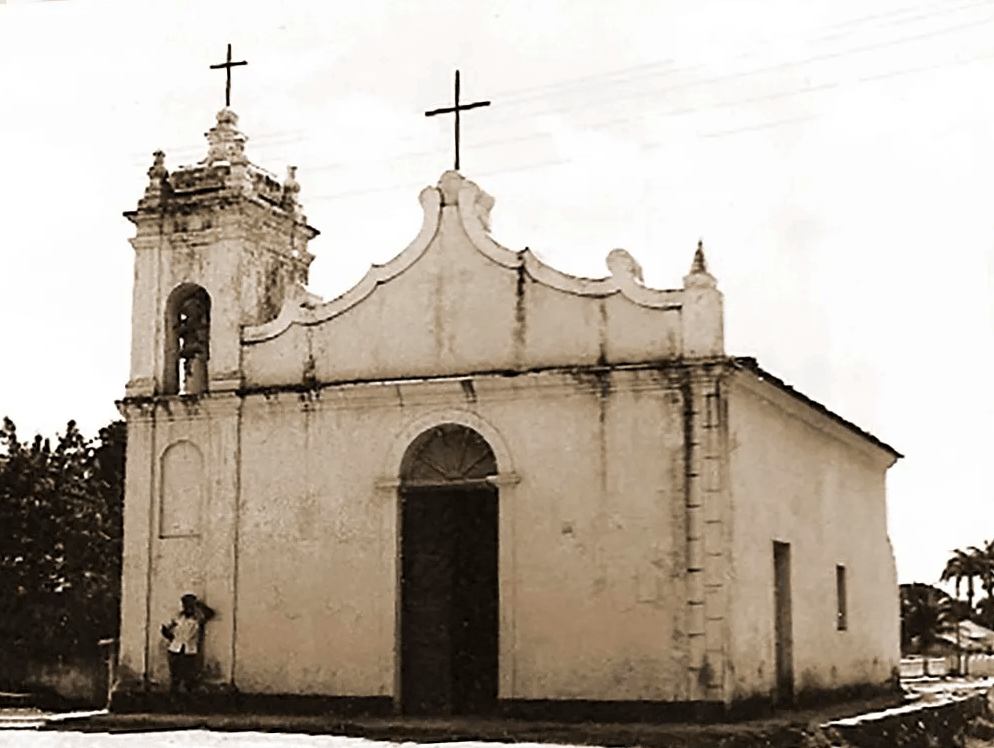
Maceió grew with the building of a new Cathedral, inaugurated by Emperor Peter the Second and Empress Tereza Cristina (as told in Abelardo Duarte’s book of the same title) and the consequent transformation of the Capela de São Gonçalo into the Igreja de São Gonçalo do Amarante in the same location on Alto do Jacutinga next to the original lighthouse before it was moved to Ponta da Terra, as older generations called the beaches north of Pajuçara and long before that part was named Ponta Verde and Jatiúca in the interest of greedy constructors and incorporadores.
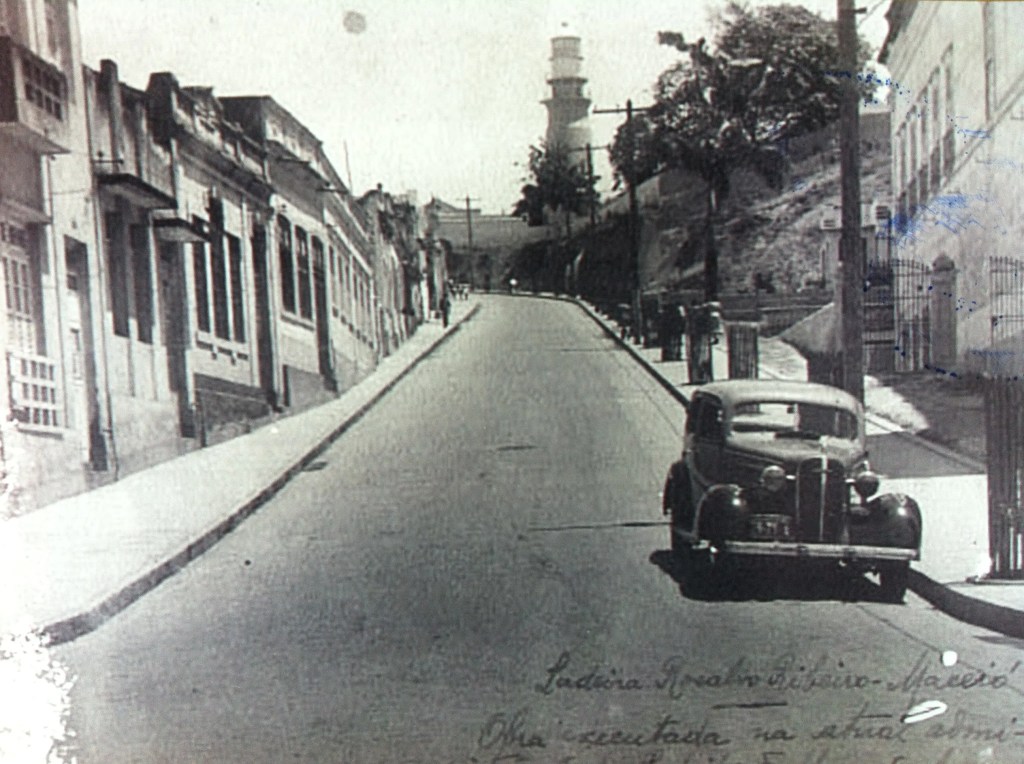
Growth intensified further with the rails that were planted in that area now known as Farol, first with animal traction and later, electricity, in the space that came to be known as rua dr. Osvaldo Sarmento, Praça Rosalvo Ribeiro (the celebrated painter from Alagoas) and Av. Aristeu de Andrade, current location of Organizações Arnon de Mello, specially TV Gazeta.
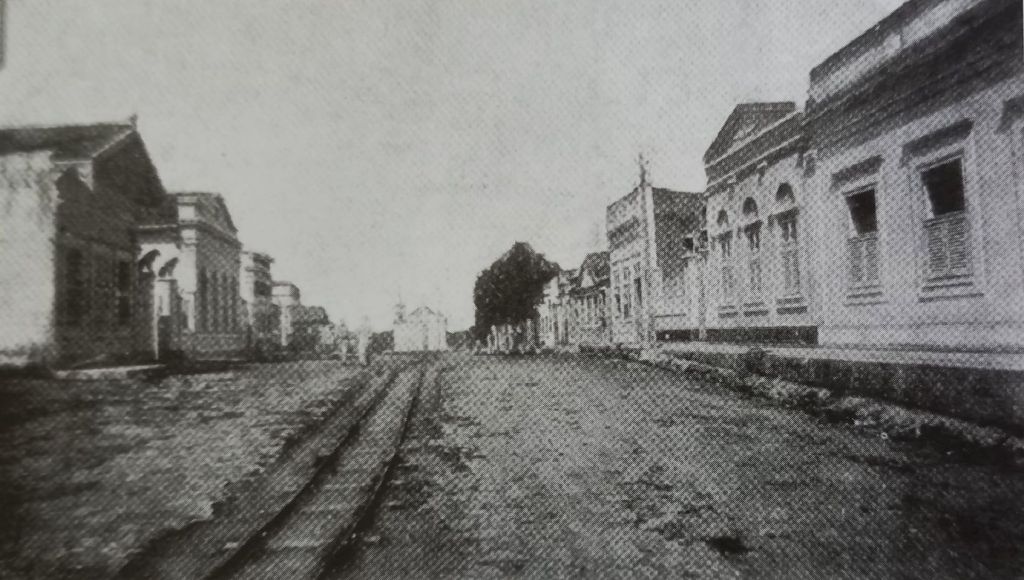
The area behind the church became known and still is up to today as the Zêga, a corruption of a German-speaking resident’s last name, Seeger. As a child I was afraid of going there because of the chanting by Vavú, a son Rosalvo Ribeiro had in France, a bit like Nonê, a son Oswald de Andrade had in that country. And there was also the talk about the Efimoff couple’s naturist practice.
Mme Girard’s varanda is now occupied by patriarchs of Syrian-Lebanese or Palestine extraction, representatives of the change in Alagoas’s economy, from sugarcane-derived and aristocracy-controlled commerce (cf. the Palato grocery and restaurant chain). When my grandfather Jacinto Medeiros Filho died in 1965, my grandmother Alice Duarte was moved from the mansion on rua do Sol 484 where my sister and I were born to Comendador Palmeira 35, she became the only lady the Cabús patriarchs allowed to be friends with dona Martha. A new generation of the Cabús family lived next door to us on Osvaldo Sarmento. Examples were Azis and Nelma and their son Cláudio (cf Casas Cláudio in Recife and Maceió) and members of that generation were university professors, one of them, Arlindo, in charge of the UFAL entrance examinations, and distinguished architects and poets such as Ricardo Cabús, who came up with the Varal de Poesia series.
There were other foreigners too, and they were in Brazil quite simply against their will. Their parents had been captured by Portuguese slave traders and made to serve some of our forebears. The ones I met were born barely after Abolition. I remember mostly Camila (Didi) who worked for my greatgrandparents Medeiros and Isabel (Bé) who did the same for our friends the Mendonças. There was also dona Maria do Brás, a mestiza Indigenous Portuguese old woman living by herself and her dog Bobby. No one ever saw Brás and she survived with food (“pratos de comida”) sent by her neighbors, something like the “quentinhas” of today’s Brazil.
The first children I played with lived in the Osvaldo Sarmento, Ângelo Neto, Comendador Palmeira and Zêga area (the Barbosa, Mendonça, Valente, Magalhães and Paiva Torres children) or were relatives of mine (Celso Quintela Brandão) or visitors of neighbors (Alex Teixeira Barbosa), who went on to be my lifetime strongest friendships. There was also the wonderful year or two when following a serious accident involving Estacio, my Armed-Forces physician from what was then known as Guapore (current state of Rondonia), my uncle Paulo and aunt Terezinha brought the children from my Syrian-Lebanese aunt Adelphato Maceio where we took swimming classes in the above mentioned Clube Fenix, totally unaware of whar was happening in the nation.
And then at some point between the JFK murder in Dallas, Texas, Thanksgiving Day 1963 and the disgraceful civil-military coup on March 31st/April 1st 1964 in Brazil, one of several US interventions in Latin America and the Caribbean, we got new next-door neighbors.
They were the Collins, from Spirit River, a small town in the conservative, oil-rich Canadian province of Alberta, which borders the US states of Montana and Idaho. Back then, Petrobrás did not have the expertise to do offshore prospecting, so technicians were transferred to other nations or regions. The prospectors wasted no time exploring the beauty of Northern Alagoas (cf. my second book of poetry, Ao norte daqui, 2023). Places like Maragogi, Milagres, Japaratinga, even a palm tree called Gogó da Ema…
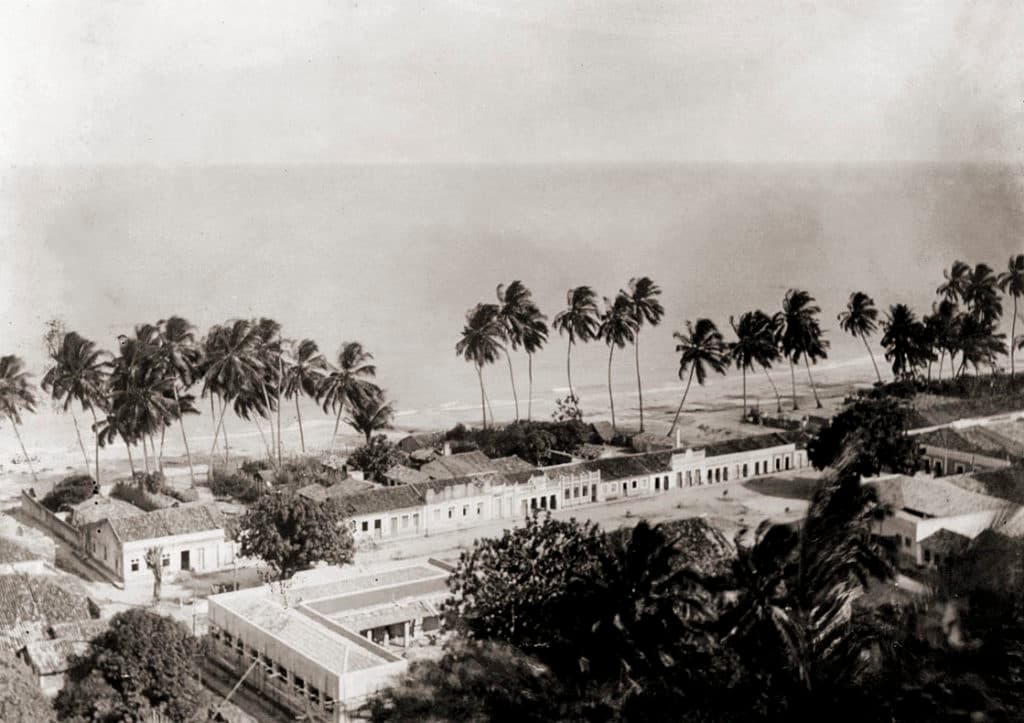
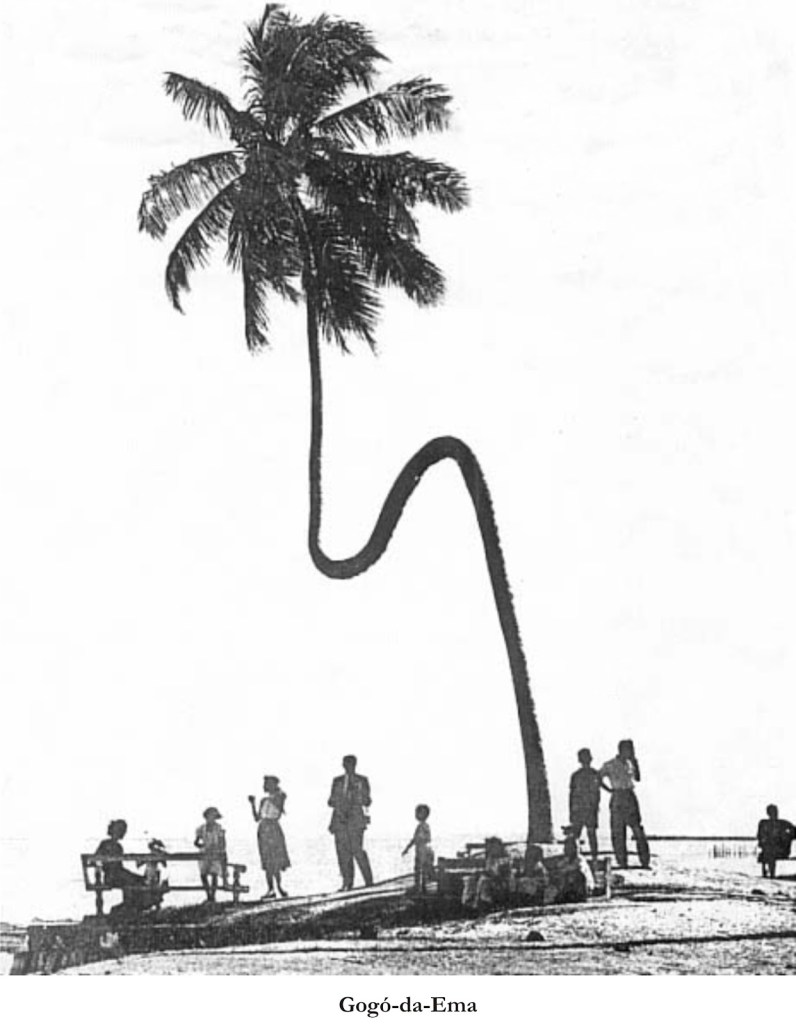
Just like Madame Girard – who, being born in Philadelphia – was not French, the Collins – though English-speaking, were not American or British. They were Canadian and proud of it. The new neighbors lived in the same house occupied previously by members of the Cabús and (briefly) Aurélio Lages families. Across the street from Osvaldo Sarmento 75 stood house number 82, of historic interest for being the first site of the Mormon Church (LDS) in Alagoas. Osvaldo Sarmento went on to be the residence of Representatives (Deputados estaduais e federais), and even one Presidente da República. One of its buildings has served as Cultura Inglesa, Polícia Federal, and Governor’s Mansion. Maceió’s first natural food restaurant (Nativa) was located there. The Conselhos Regionais of Medicine (CRM) and Engineering and Architecture (CREA) functioned there). The first highrise built in Farol, an initiative of industrialist Tércio Wanderley in a project by Recife architects Janete Costa and Acácio Gil Borsoi.
With the co-ed system still a long time away, some of the Farol mansions served as schools (Colégios Batista Alagoano under the direction of Pastor Boyd O’Neal, to Guido (see below), and Santíssimo Sacramento (where my sister did her entire studying, from primário to ginásio to colégio levels), and airline offices (Varig), clinics and hospitals (Manso; Santa Casa; Unimed). Another of those Zêga houses has belonged to sugar usineiro money (theMoreiras from Capela), the Minervino Gomes drugstore chain, and a cardiovascular disease emergency clinic where my father died of complications from pneumonia, May 24 1994.
Following all those socio-political changes my parents enrolled me in new schools. I had gone to Tia Lourdinha for kindergarten and first grade, and then to Colégio Guy de Fontgalland (owned by the family of Father Teófanes Augusto de Barros and known as “Guido”), where I had a strong bond with the teachers, all but one young women. I still remember their names, Teomirtes Barros Malta, Teresinha Viana Magalhães, dona Maria Botelho, and dona Marlene who lived in Zêga across the street from Elsinha Brennand Pinheiro de Almeida, who had strong ties to my family and organized a Christmas gift collection at the end of the year.
Next it was the Marista or Diocesano school for boys. It was connected to the Diocese de Maceió and had a more international climate. The Marist Brothers were mostly of Italian, Spanish, and Portuguese extraction. I remember a student from Japan whose family were recent immigrants and whose life was made more difficult during recess. The school had strong ties to deeply Catholic families such as the Piattis and the Nogueiras.
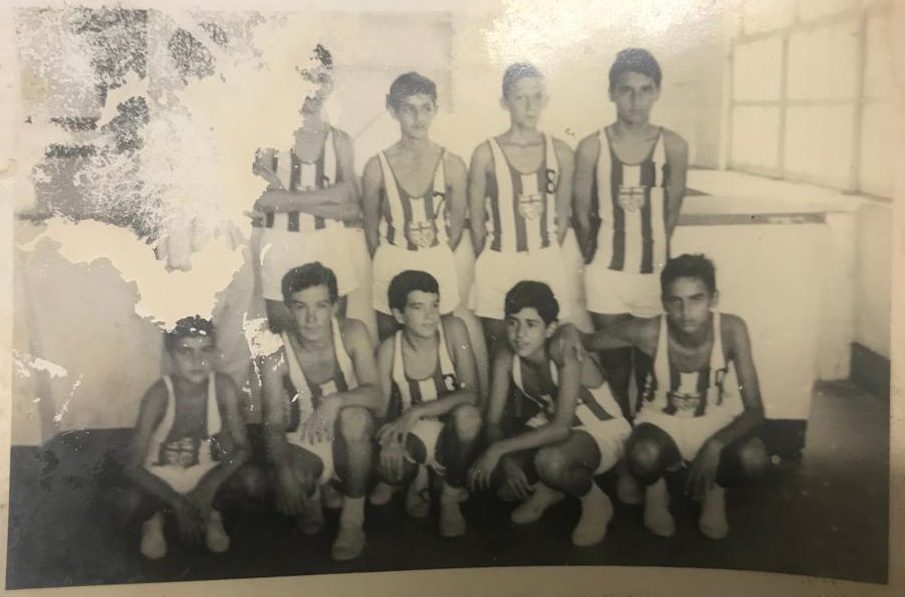
During my days at Marista High I played – no, no, not soccer – volleyball. It was the Infanto-Juvenil annual tournaments and we were sponsored by local clubs such as Fênix Alagoana and Regatas Brasil (CRB) [cf. pictures], although I was, and still am, azulino. Tight friendships were made those days, with Emil de Lima Medeiros, Marquito Mota, Lula Pacheco, the Japson Almeida boys, Carlos Eugênio Rocha (Xinda!) and others. It was also at that time that death made its first strides among our young group. I was hit hardest by the passing of Roberto Moreira Gomes and José Cláudio Lessa Peixoto before they turned twenty.
I remember other nationals as well, like a German-speaking Swiss family who had a daughter my age called – what else – Heidi. There were other strong friendships later as I moved to Recife for Medical School and ended up at Letras as well (Valéria Campos da Silveira from the Teachers Training Program, Afonso Rosa, Meta Loei and Lula Wanderlei, the gifted artist who for decades worked with distinguished Alagoas psychiatrist Nise da Silveira at her Institute in Rio, Colônia Juliano Moreira (CJM), in Jacarepaguá. Lula did the illustrations for my first book of poetry (Exercício: Exercícios [1975]), which my father paid for with love.
At Chapel Hill I made strong friendships with colleagues who had important careers and made great contributions to the profession, people like Jura, Jim, Doris, Amanda, Michelle and Mariangela, the latter two no longer with us.
My career as a faculty member began in 1982-1983 at Cornell University. It was a brief period but long enough for wonderful friendships to be made at Modern Languages and Linguistics, Hilary Sachs and Jim North, and the best students a teacher could ask for.
From Cornell’s position as Lecturer I moved on to the University of Wisconsin in Madison’s tenure-track position, where I was from 1983-2017, moving from Assistant to Associate to Full. I am very proud of, and grateful to Wisconsin for the Chancellor’s Distinguished Teaching Professorship and Emeritus retirement. It was also my chance to live in such a cool place and meet fantastic students at every level (oh how I loved teaching and directing the Summer Intensive Institute) and directing the several dissertations I did. It was in Madison that I met my first long-term partners Duane Spry and Ed too, plus lifetime friends Fred and Joost, Luca Bacchini, Mary Schil, Barbara Forrest and Suzanne Desan and the several Ph.D. dissertations I had the privilege to direct.
When time came for the Collins to be transferred, they moved, first to Bahia and later to Durban in the English-speaking area of South Africa, where for a time Fernando Pessoa’s father was a businessman. It was a time when Pessoa wrote magnificent poetry (cf. his English Poems, self-published 1921).
By the time the Collins left Maceió I was speaking English fluently at age 12. They had taught me to speak the language using the best method there is – the immersion approach. Now it was up for someone else to pick up the job from them.
That person was dona Creusa de Souza Acioly. Creusa specialized in foreign-language teaching to children and teenagers. From her house at rua da Caridade in Pajuçara next to the Atlantic fuel tanks the locals called Atlantique and, curiously, the same street where Graciliano Ramos once lived and wrote much of Angústia at), not too far from where my maternal grandparents had a beach house. The house, Creusa’s and Cyro’s house, where my father would drive me to and from, convinced as he was of English’s importance in my future.
I believe Creusa, with her pedagogical gifts was an early user of songs in the foreign-language classroom. Together we memorized and sang (along with Julie Andrews) the entire The Sound of Music album as well as the Beatles’s Help (the Collins’s goodbye present) and some of her favorite Frank Sinatra hits (“I love Paris” among others).
To this day I regret not dedicating my first book of criticism to Creusa (Violent Acts, 1991) but I did dedicate my second book of poetry (Ao norte daqui, 2023) to Solange Berard Lages (later, Chalita) who was my strongest supporter in the early 1970s, a time when she was directing the Departamento de Assuntos Culturais (DAC) da Secretaria de Educação de Alagoas, with Penedo-born Carmen Lúcia Dantas as her assistant. Carmen and Celso went on to create the Ilha do Ferro community on the lower São Francisco river. With Solange’s support I was awarded the Prêmio Jorge de Lima by DAC in 1974 and 1975; I also received the 1975 Short Story Award from the Academia Alagoana de Letras. Later on, as director of the Suplemento Literário do Jornal de Alagoas she kept publishing the contributions I sent her from the United States. Before the decade was out I won best fiction prizes from cutting edge literary journals based in Rio and São Paulo like Escrita and Ficção (cf. Creative Work).
Creusa and her concunhada Maria Rocha Cavalcanti Accioly (as in her books, Delícias da cozinha alagoana (Express Printing Services, 1997) and Fatos, personagens, História de São Miguel dos Campos (Brasília, 1992) embody my understanding of what an academia should be. Following the French example there would be an Academia Brasileira (not an Academia Brasileira de Letras) which would then encompass representatives from different parts of society like musicians, film directors, members of the Armed Forces, etc. Such an Academia would be run by its members and not by a group of local wealthy people as has been the case in Alagoas for decades now.
My combined training in medical and literary and cultural studies was the best legacy my father gave me, as witness my work as volunteer interpreter at the hospital ship, Hope, in the early 1970s, to the point that US doctors demanded my services during appointments and procedures. It has also served me well at orientation camps in North Carolina and other states.
These pages are being written in the spirit of reconciliation to offset heteronormative demands and the feelings held by many that love is conditional, that a child get a degree in a certain field and give the parents a definite number of grandchildren. In the circles and names found the narrative above there was a good deal of homophobia among relatives and family friends. In spite of all the caring, this needs to be said. In the end, it is what I remember, or wish to remember.
Beginning circa 1981, the United States, Brazil, and the world went through the AIDS epidemic, which I escaped because of a stable relationship and the fact that we lived in small college towns such as Chapel Hill and Ithaca. I close with another regret, that of not dedicating a book (Tentative Transgressions, 2004) to a group of people, the victims of a health event that was also a terrible socio-political crisis.
Maceió, 7 de setembro de 2025.
Four days before observing a quarter
century from 9/11.

